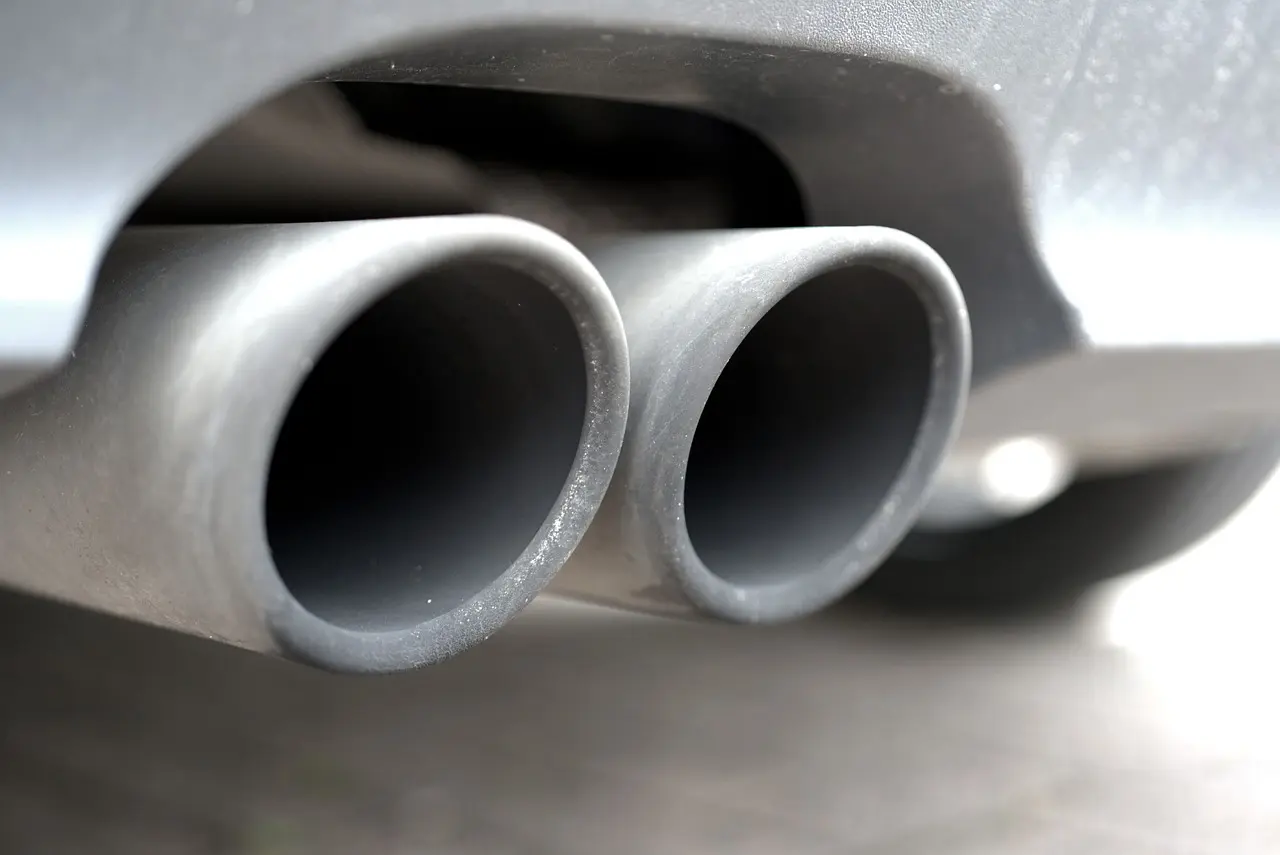
If your diesel vehicle smells like raw fuel while you’re driving, it’s more than just unpleasant.
That sharp, unburned diesel smell usually means something in the engine or exhaust system is not working the way it should. Diesel engines are designed to burn fuel efficiently. When fuel escapes unburned, the smell becomes a warning sign you shouldn’t ignore.
This guide explains why diesel exhaust can smell like raw fuel, what causes it, and when it becomes a serious problem—all in clear, simple terms.
What Does a Raw Fuel Smell Mean?
Diesel fuel has a strong odor. Under normal conditions, most of that smell disappears after combustion. When you smell raw fuel from the exhaust, it means fuel is not fully burning inside the engine or is leaking into the exhaust system.
Incomplete combustion wastes fuel, increases emissions, and can lead to engine damage over time.
Common Reasons Diesel Exhaust Smells Like Raw Fuel
1. Incomplete Combustion
Diesel engines rely on high compression and precise timing. If fuel enters the cylinder but doesn’t burn completely, unburned diesel exits through the exhaust.
This often happens when:
- The engine is running too cold
- Air-to-fuel balance is incorrect
- Combustion timing is off
Incomplete combustion is the most common reason for raw diesel smells.
2. Faulty Fuel Injectors
Fuel injectors must spray fuel in a fine mist. When they fail, fuel may drip instead of spraying.
Problems include:
- Clogged injector nozzles
- Injectors stuck open
- Worn injector seals
When this happens, too much fuel enters the cylinder and doesn’t fully burn, creating a strong diesel smell in the exhaust.
3. Incorrect Injection Timing
Diesel engines depend heavily on timing accuracy. If fuel is injected too early or too late:
- Combustion becomes inefficient
- Fuel burns partially or not at all
- Exhaust smells strongly of diesel
Timing issues can be caused by:
- Sensor failures
- Timing chain or belt wear
- ECU calibration problems
4. Cold Engine Operation
Diesel engines take longer to warm up than gasoline engines. When driving short distances or in cold weather:
- The engine may not reach proper temperature
- Fuel doesn’t atomize correctly
- Combustion stays incomplete
This is why raw fuel smells are often worse during cold starts or winter driving.
5. Diesel Particulate Filter (DPF) Problems
Modern diesel vehicles use a DPF to trap soot. The system occasionally performs a regeneration process that burns off buildup.
If regeneration fails:
- Extra fuel may be injected
- Fuel exits unburned
- Exhaust smells strongly of diesel
A clogged or malfunctioning DPF can also force fuel into the exhaust stream.
6. Exhaust Leaks Before the Catalytic Converter
If there’s a leak in the exhaust system before emissions components:
- Raw exhaust gases escape
- Diesel odor becomes noticeable
- Smell may enter the cabin while driving
Leaks often occur at:
- Exhaust manifold
- Gaskets
- Cracked pipes
7. Worn or Faulty Glow Plugs
Glow plugs help diesel engines start and burn fuel properly, especially in cold conditions.
When glow plugs fail:
- Fuel may not ignite fully
- Cylinders misfire
- Raw fuel exits the exhaust
This problem is common in older diesel engines.
8. Excessive Fuel Pressure
Too much fuel pressure forces extra diesel into the combustion chamber.
Causes include:
- Faulty fuel pressure regulator
- Sensor malfunctions
- High-pressure pump issues
The engine cannot burn the excess fuel, so it passes through the exhaust.
Why the Smell Gets Worse While Driving
Many drivers notice the smell more during acceleration or highway driving. That’s because:
- More fuel is injected under load
- Combustion demands increase
- Any existing fuel issue becomes more noticeable
Wind flow can also push exhaust fumes toward the cabin, making the smell seem stronger.
Is It Dangerous to Drive With This Smell?
Yes, it can be.
Driving with unburned fuel in the exhaust can lead to:
- Poor fuel economy
- Engine oil dilution
- Damage to the catalytic converter or DPF
- Increased emissions
- Potential fire risk in extreme cases
The longer the problem continues, the more expensive the repair may become.
How to Diagnose the Problem
A proper diagnosis usually includes:
- Checking for engine fault codes
- Inspecting injectors and fuel pressure
- Looking for exhaust leaks
- Monitoring engine temperature
- Testing glow plugs (if applicable)
Ignoring the smell and hoping it goes away often makes things worse.
When Should You See a Mechanic?
You should seek professional help if:
- The fuel smell is strong and constant
- Fuel economy suddenly drops
- Black or white smoke appears
- Engine performance feels rough
- The smell enters the cabin
Early diagnosis saves money and prevents serious damage.
Final Thoughts
A diesel exhaust that smells like raw fuel is not normal. It’s a sign that fuel is escaping unburned due to combustion, injection, or exhaust issues. While the problem may start small, it can quickly lead to costly repairs if ignored.
If you notice this smell while driving, treat it as an early warning—not just an annoyance. Fixing the issue early keeps your diesel engine efficient, cleaner, and reliable in the long run.