That sharp popping or crackling sound when you press the gas—especially going uphill, towing, or carrying passengers—can be unsettling. It often shows up under load, when the engine works harder.
While the noise might seem small at first, it can point to problems that affect performance, fuel use, and long-term reliability.
Let’s break down the most common reasons this happens, what the sound means, and what to do next—in clear, everyday language.
What “Under Load” Really Means
A car is under load when the engine needs extra power. This happens during hard acceleration, climbing hills, merging onto highways, or pulling a weight. Under these conditions, small issues that stay quiet at idle can suddenly make noise—like popping.
Common Reasons for Popping Noise During Acceleration
1. Exhaust Leaks Before the Muffler
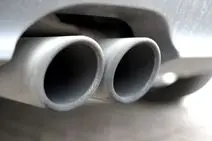
An exhaust leak near the engine—like a cracked manifold, loose gasket, or damaged pipe—can cause popping sounds. Under load, exhaust pressure rises, forcing hot gases through small gaps. This creates sharp pops or crackles.
Clues:
- Noise is louder during acceleration
- Smell of exhaust in the cabin
- Ticking or popping near the engine bay
Why it matters:
Leaks can reduce power and allow harmful gases to escape.
2. Spark Knock (Detonation)
Spark knock happens when fuel ignites at the wrong time inside the cylinder. Under load, the engine needs precise timing. If timing is off, fuel quality is poor, or carbon builds up, you may hear popping or pinging.
Clues:
- Popping or pinging only under heavy throttle
- Worse when climbing hills
- Improves with higher-octane fuel (sometimes)
Why it matters:
Detonation can damage pistons and valves if ignored.
3. Failing Ignition Components
Worn spark plugs, weak ignition coils, or damaged plug wires can misfire under load. A misfire means fuel doesn’t burn fully, causing popping sounds—often from the exhaust.
Clues:
- Rough acceleration
- Check engine light may flash
- Loss of power
Why it matters:
Misfires waste fuel and can harm the catalytic converter.
4. Lean Air-Fuel Mixture
If the engine gets too much air and not enough fuel, combustion becomes unstable. Under load, this imbalance can cause popping or backfiring.
Common causes:
- Vacuum leaks
- Dirty or failing fuel injectors
- Weak fuel pump or clogged fuel filter
Why it matters:
A lean condition raises engine temperature and risks damage.
5. Dirty or Faulty Fuel Injectors
Fuel injectors must spray a fine mist. If they’re clogged, fuel delivery becomes uneven. Under load, the problem shows up as popping, hesitation, or jerking.
Clues:
- Popping plus poor acceleration
- Worse at higher speeds
- Fuel economy drops
Why it matters:
Uneven fuel delivery stresses the engine and reduces power.
6. Bad Oxygen (O2) Sensor
O2 sensors help control the air-fuel mix. A failing sensor may send wrong data, causing the engine to run lean or rich. Under load, this can trigger popping.
Clues:
- Check engine light
- Poor fuel mileage
- Inconsistent acceleration
Why it matters:
Incorrect fueling hurts performance and emissions.
7. Timing Issues
Engines rely on precise timing. If timing is advanced too much—or if timing components wear—the engine may pop during acceleration.
Clues:
- Popping under load
- Engine feels weak
- Noise changes with RPM
Why it matters:
Timing problems can cause serious internal damage.
8. Transmission or Drivetrain Play
Not all popping sounds come from the engine. Worn CV joints, U-joints, or engine mounts can pop when torque increases under load.
Clues:
- Popping or clunking during acceleration
- Noise from under the car
- Vibration under load
Why it matters:
Drivetrain failures can leave you stranded.
How to Narrow Down the Cause
Try these simple checks:
- Listen closely: Is the sound from the engine bay or under the car?
- Change conditions: Does it happen only uphill or with passengers?
- Check warning lights: A flashing check engine light points to misfires.
- Note fuel changes: Did the noise start after switching fuel grades?
These details help a mechanic diagnose faster.
Is It Safe to Keep Driving?
Short trips at light throttle might be okay, but driving under load with popping noises is risky. Some causes—like spark knock or exhaust leaks—can turn into expensive repairs if ignored.
Stop driving and get help if:
- The check engine light flashes
- Power drops suddenly
- The noise gets louder quickly
How Mechanics Fix the Problem
Repairs depend on the cause and may include:
- Replacing spark plugs or coils
- Sealing exhaust leaks
- Cleaning or replacing fuel injectors
- Fixing vacuum leaks
- Updating engine timing or sensors
Early diagnosis often means smaller, cheaper fixes.
Final Thoughts
A popping noise when accelerating under load is your car’s way of saying something isn’t right—especially when it only appears during hard work like hills or heavy throttle. While the causes range from simple to serious, catching the issue early protects your engine, saves fuel, and keeps driving smooth.
If the sound keeps coming back, don’t ignore it. A quick inspection today can prevent a major repair tomorrow.