Seeing a drivetrain malfunction warning while driving a BMW can be stressful. One moment the car feels fine, and the next you notice reduced power, rough shifting, or a warning message on the dashboard. This issue can happen suddenly and often feels unpredictable.
Understanding what triggers BMW drivetrain malfunction symptoms while driving helps you react calmly and prevent costly damage.
This guide breaks down the real-world causes in simple language, so you know what’s happening and what to do next.
What Does BMW Drivetrain Malfunction Mean?
In a BMW, the drivetrain includes the engine, transmission, driveshaft, and differential. These parts work together to send power from the engine to the wheels.
When the car detects a problem in this system, it activates Drivetrain Malfunction mode. To protect itself, the vehicle may reduce engine power or limit performance. This safety response is why many drivers notice the problem while driving, not at startup.
Common BMW Drivetrain Malfunction Symptoms While Driving
Drivers often report similar warning signs before or during the malfunction:
- Sudden loss of power during acceleration
- Jerking or hesitation while cruising
- Rough or delayed gear changes
- Car goes into limp mode
- Engine warning light appears
- Dashboard message says “Drivetrain Malfunction – Drive Moderately”
These symptoms usually mean the system detected something abnormal in real time.
Engine Misfires Under Load
One of the most common triggers happens during acceleration or highway driving.
Why it happens
Under load, the engine needs precise fuel and spark timing. Worn spark plugs, failing ignition coils, or fuel delivery problems can cause misfires. When the engine stumbles, the drivetrain control unit reacts instantly.
What it feels like
- Shaking or hesitation when pressing the gas
- Power loss while merging or overtaking
- Warning appears during hard acceleration
Misfires often don’t show up at idle, which is why the issue appears while driving.
Transmission Sensor or Control Issues
Modern BMW transmissions rely heavily on electronic sensors.
Why it happens
Faulty speed sensors, pressure sensors, or transmission control modules can send incorrect data. When the system sees conflicting signals, it assumes a drivetrain fault.
What it feels like
- Gear changes feel harsh or delayed
- Car hesitates between gears
- Warning appears during steady cruising
This issue is common in stop-and-go traffic or at highway speeds.
Low or Degraded Transmission Fluid
BMW transmissions are sensitive to fluid condition.
Why it happens
Low fluid levels or old fluid can cause pressure drops inside the transmission. When pressure becomes unstable while driving, the system triggers a drivetrain malfunction to avoid damage.
What it feels like
- Slipping gears
- Jerky acceleration
- Delayed response when pressing the gas
Even small fluid issues can cause big electronic warnings.
Turbocharger or Boost Pressure Problems
Many BMW engines use turbochargers to deliver power.
Why it happens
Boost leaks, failing wastegates, cracked hoses, or faulty boost sensors can cause pressure to rise or fall outside safe limits. When boost becomes unstable during driving, the drivetrain system reacts.
What it feels like
- Sudden loss of power
- Car feels slow even with throttle input
- Warning appears during highway driving
Turbo-related faults almost always show up while the car is moving, not at idle.
Fuel Delivery Problems at Speed
Fuel system issues often appear under demand.
Why it happens
Clogged fuel filters, weak fuel pumps, or failing injectors can’t keep up with fuel needs at speed. When fuel pressure drops, combustion becomes unstable.
What it feels like
- Hesitation while cruising
- Surging at steady speeds
- Warning appears after long drives
The system flags the problem because inconsistent power delivery stresses the drivetrain.
Throttle Body or Pedal Sensor Faults
BMW uses electronic throttle control.
Why it happens
If the throttle body or accelerator pedal sensor sends conflicting signals, the system may think the driver input doesn’t match engine response.
What it feels like
- Delayed throttle response
- Sudden reduction in power
- Car ignores accelerator input briefly
This mismatch commonly triggers drivetrain warnings while driving.
Overheating Components
Heat is a silent trigger.
Why it happens
Overheating engine, transmission, or differential components can cause protective shutdowns. Sensors detect rising temperatures and activate drivetrain malfunction mode.
What it feels like
- Power reduction after long drives
- Warning appears in traffic or uphill driving
- Cooling fan runs loudly
Heat-related issues often disappear after cooling down but return later.
Software or Control Module Errors
Not all drivetrain problems are mechanical.
Why it happens
Outdated software, corrupted data, or control module glitches can trigger false drivetrain warnings. This often happens after battery issues or electrical interruptions.
What it feels like
- Warning appears randomly
- Car drives mostly normal
- Issue may reset after restart
Software faults are common and often overlooked.
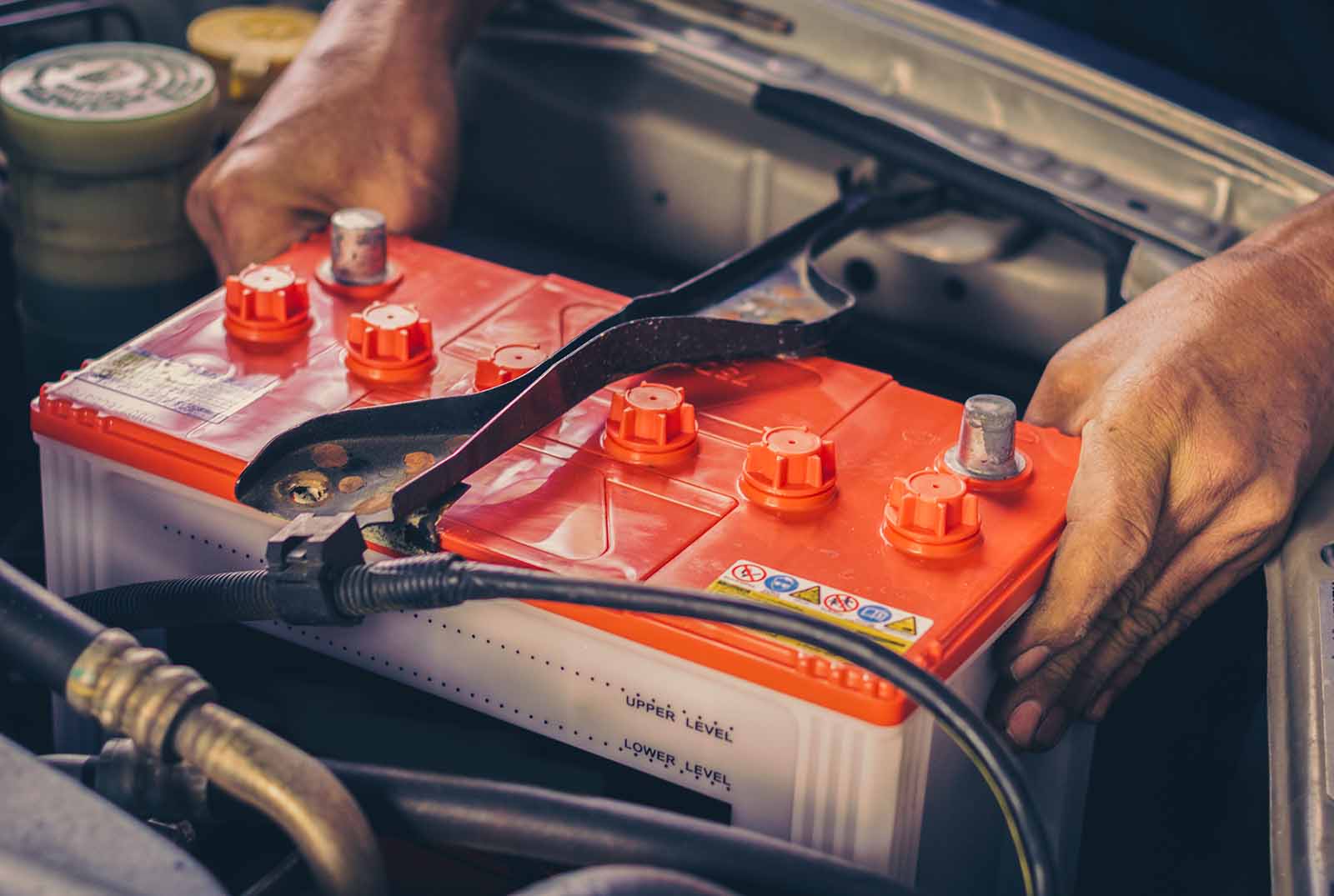
Battery or Charging System Weakness
BMW electronics depend on stable voltage.
Why it happens
A weak battery or failing alternator can cause voltage drops while driving. When modules lose consistent power, communication errors trigger drivetrain warnings.
What it feels like
- Multiple warning lights
- Drivetrain message appears unexpectedly
- Problems worsen at night or with accessories on
Electrical issues often mimic serious drivetrain failures.
Can You Keep Driving?
BMW usually allows limited driving to prevent damage, but continuing too long can worsen the problem.
Safe short-term actions
- Reduce speed
- Avoid hard acceleration
- Drive gently to a safe location
Avoid
- Aggressive driving
- Towing heavy loads
- Long highway trips
Ignoring the warning may lead to transmission or engine damage.
How to Diagnose the Real Trigger
A proper diagnosis requires more than a basic scan.
Best approach
- Read BMW-specific fault codes
- Check live data while driving
- Inspect ignition, fuel, and boost systems
- Verify fluid levels and battery health
Generic scanners often miss the root cause.
Final Thoughts
BMW drivetrain malfunction symptoms while driving are not random. They are triggered when the vehicle detects instability in power delivery, shifting, or communication between systems. The warning is the car’s way of protecting itself.
Understanding these triggers helps you respond calmly, drive safely, and fix the problem before it becomes expensive. Acting early almost always saves money and keeps your BMW performing the way it should.