Hearing loud noises from your car’s engine can be frustrating and alarming. A noisy engine not only disrupts your driving experience but might also signal deeper mechanical issues.
While some causes of engine noise are minor, others could lead to significant damage if left untreated.
This comprehensive guide will help you identify the common reasons your car engine is loud and offer practical solutions to fix them.
Common Causes of a Loud Car Engine
1. Exhaust System Problems
Your car’s exhaust system is designed to reduce engine noise and filter harmful emissions. When there’s a problem in this system, such as a leak or damage to components like the muffler or catalytic converter, the engine noise becomes noticeably louder.
A damaged exhaust system might produce a roaring or growling sound, especially when you accelerate.
Signs to Watch For:
- Increased noise levels when the engine is running.
- A rattling sound from underneath the car.
- A visible hole or rust on the muffler or exhaust pipes.
How to Fix It:
Fixing exhaust issues typically involves locating and repairing the damaged section. If you spot a hole or crack in the exhaust pipe or muffler, these parts may need replacement. In some cases, a mechanic can patch minor leaks. A failing catalytic converter, which often causes a rattling noise, will likely need to be replaced entirely. Always have a professional inspect the exhaust system if you suspect an issue.
2. Faulty Spark Plugs
Spark plugs are essential for your engine to function correctly. They ignite the air-fuel mixture in the cylinders, enabling the engine to produce power. Over time, spark plugs wear out or become fouled, leading to misfires. When this happens, your engine may produce popping or rough noises, and its performance can decline.
Signs to Watch For:
- Difficulty starting the car.
- Decreased fuel efficiency.
- Engine misfiring or hesitating.
How to Fix It:
Replacing spark plugs is a relatively simple and affordable repair. Check your vehicle’s manual for the correct type of spark plugs and how often they should be replaced. If the problem persists after changing the spark plugs, it’s worth inspecting the spark plug wires or ignition system for further issues.
3. Loose or Damaged Belts
Your engine uses belts, such as the serpentine belt and timing belt, to drive essential components like the alternator, water pump, and air conditioning compressor. If a belt becomes loose, worn, or damaged, it can create a loud squealing or whining noise. This is especially noticeable when starting the car or when the engine is cold.
Signs to Watch For:
- A high-pitched squealing noise.
- Cracks or fraying on the belts.
- Difficulty with components powered by the belts, like the alternator.
How to Fix It:
Inspect the belts for visible signs of wear or looseness. Tighten the belts if they’re loose or replace them if they show significant damage. Regular maintenance can help prevent unexpected belt failures, which could lead to more severe engine problems.
4. Engine Oil Problems
Oil is the lifeblood of your engine, ensuring its moving parts stay lubricated and reducing friction. If your car’s oil level is too low or you’re using the wrong type of oil, it can lead to increased friction and noise. You might hear knocking, ticking, or grinding sounds coming from the engine.
Signs to Watch For:
- Knocking or ticking noises, especially at idle.
- Low oil levels when you check the dipstick.
- Overheating engine.
How to Fix It:
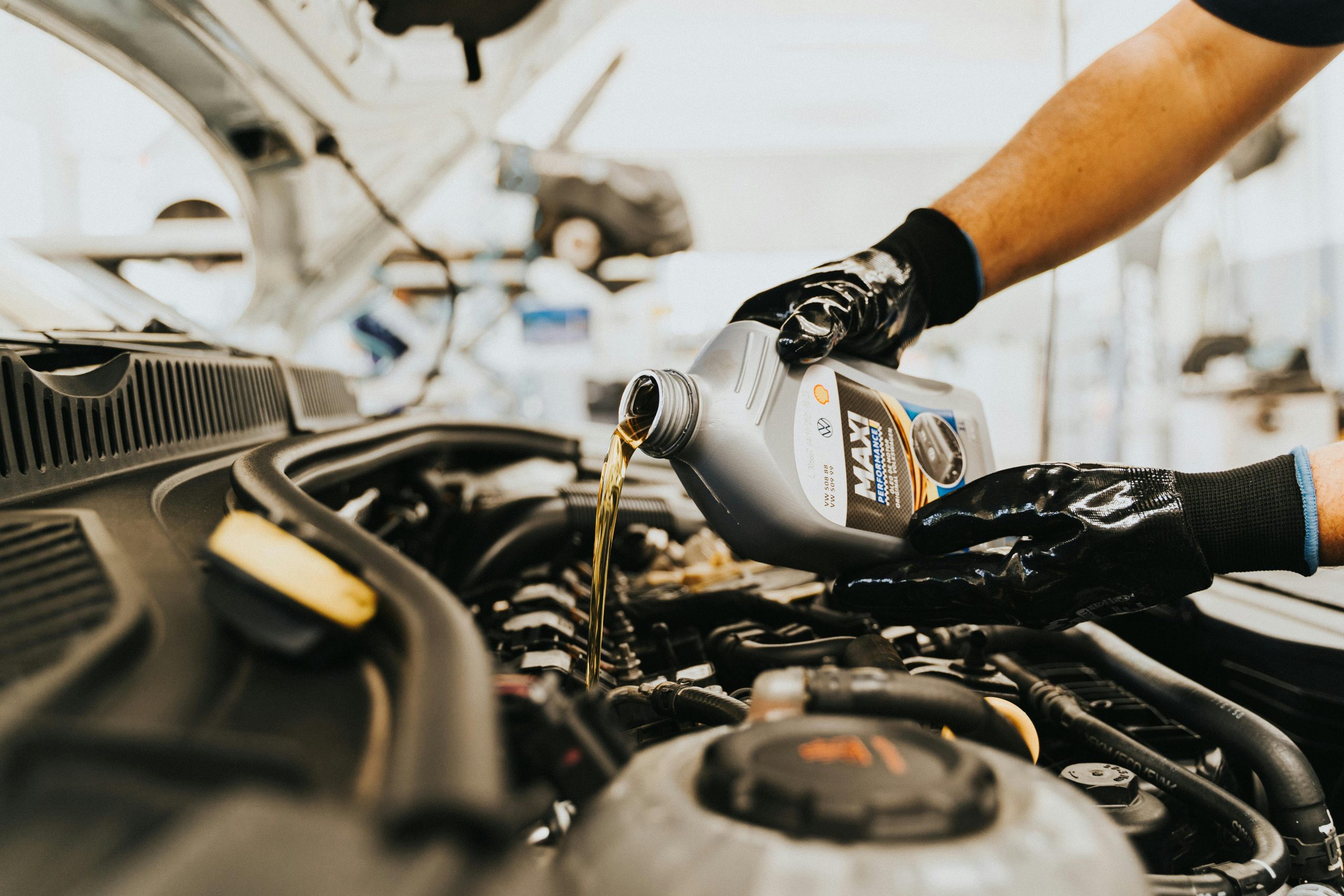
First, check the oil level and top it up if it’s low. Ensure you’re using the correct oil type recommended by your car’s manufacturer. If the oil appears dirty or hasn’t been changed in a while, schedule an oil change immediately. Regular oil changes can help prevent these issues and extend the life of your engine.
5. Faulty Bearings
Bearings in your engine are designed to reduce friction between its moving parts. When these bearings become worn or damaged, they can cause grinding or rumbling noises, particularly as you drive at higher speeds. This issue often affects older vehicles with high mileage.
Signs to Watch For:
- A grinding or growling sound when the engine is running.
- Increased noise at higher RPMs.
- Vibrations coming from the engine.
How to Fix It:
Replacing engine bearings is a complex task that requires professional expertise. If you suspect faulty bearings, take your car to a mechanic immediately. Routine maintenance, like regular oil changes, can help keep bearings in good condition and prevent premature wear.
6. Air Intake Issues
Your engine requires a precise mix of air and fuel to run efficiently. If the air intake system is clogged or damaged, the engine may struggle to breathe, resulting in increased noise levels. A dirty air filter is often the culprit, but other issues in the intake system can also cause problems.
Signs to Watch For:
- A loud sucking or hissing noise from the engine.
- Reduced engine performance.
- A dirty or clogged air filter.
How to Fix It:
Replace the air filter if it’s dirty or clogged. This is a quick and inexpensive fix that can make a big difference in engine performance and noise levels. If the problem persists, have the intake system inspected for blockages or damage.
7. Problems with the Cooling System
An overheated engine can become loud and even produce hissing or bubbling noises. These sounds usually indicate an issue with the cooling system, such as a coolant leak, a failing radiator, or a malfunctioning water pump.
Signs to Watch For:
- A hissing sound when the engine is running.
- Steam coming from the engine bay.
- Low coolant levels or visible coolant leaks.
How to Fix It:
Check the coolant levels and top up if necessary. Inspect the radiator and hoses for leaks or blockages. If you can’t identify the issue, consult a mechanic to ensure your cooling system functions correctly.
Preventive Maintenance Tips
Preventing engine noise starts with regular maintenance. Here are some tips to keep your engine running smoothly and quietly:
- Regular Inspections: Schedule annual inspections to catch potential problems early.
- Fluid Checks: Keep an eye on oil, coolant, and other vital fluids.
- Replace Worn Parts: Don’t delay replacing worn spark plugs, belts, or air filters.
- Stay Alert: Listen for unusual sounds and address them promptly to avoid bigger issues.
Conclusion
A loud car engine is more than just an annoyance; it’s a sign that something might be wrong. Understanding the causes of engine noise and taking prompt action can protect your vehicle from further damage and ensure a smoother, quieter ride.
Regular maintenance and attention to detail are your best defenses against engine noise and costly repairs. Drive safe and stay alert for those early warning sounds!