When it comes to taking care of a car, there’s a lot of advice out there — some good, some confusing, and some completely wrong. One of the biggest areas of confusion is about transmission flushes.
Some people say they’re necessary for keeping your car running well. Others say they can actually hurt your car.
Who’s right? Let’s find out by busting the most common myths and giving you the facts about what a transmission flush really does.
What Is a Transmission Flush, Really?
To start, it’s important to understand what a transmission flush is.
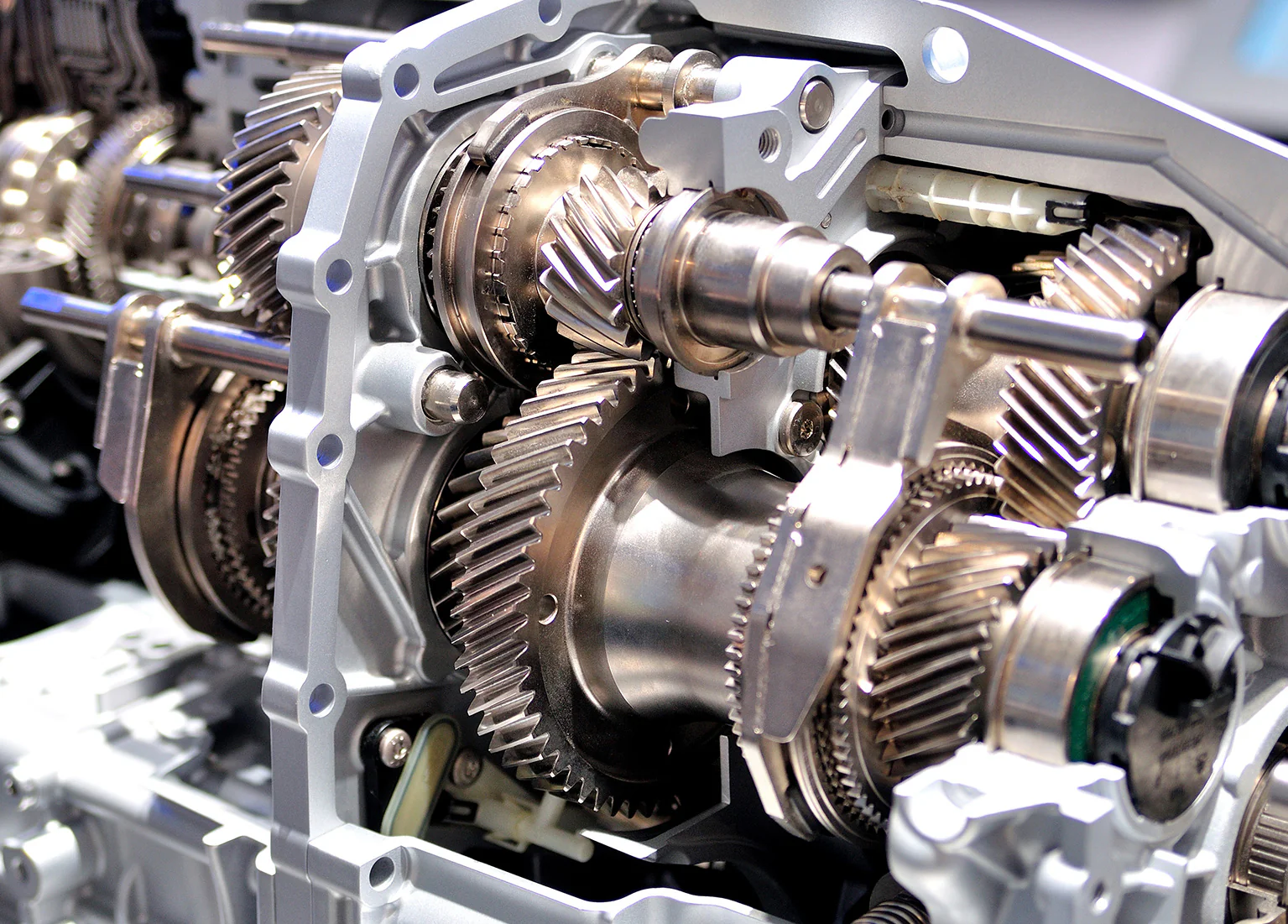
Your car’s transmission is responsible for moving power from the engine to the wheels. It makes sure your car can move forward, backward, and change speeds smoothly. Inside the transmission is a special fluid that keeps all the parts moving easily, keeps temperatures down, and helps gears shift properly.
Over time, though, this fluid can get dirty. It collects tiny pieces of metal and other debris from the normal wear and tear of driving. When the fluid gets dirty or old, it doesn’t work as well. This can cause your transmission to overheat, slip, or even break down.
A transmission flush is a process where a machine pushes out all of the old, dirty fluid and replaces it with brand-new, clean fluid. It’s like giving your transmission a fresh, healthy drink of water. It helps everything inside work better and last longer.
Myth #1: A Transmission Flush Will Ruin Your Car
The Truth: When done correctly, a transmission flush can actually protect your car from serious problems.
This myth comes from people who waited too long to service their transmission. If a car has been neglected for many years and the fluid is really dirty, flushing it might stir up problems that were already there.
Imagine a house that’s falling apart. If you finally fix the plumbing after 20 years of leaks, the sudden change might reveal just how bad the damage was behind the walls. It’s not the plumber’s fault — it’s because the maintenance was ignored for too long.
Similarly, if you keep up with regular transmission care, flushing is good for your car. It removes dirt and sludge that could cause expensive damage down the road. A transmission flush helps your vehicle run smoother and can even extend the life of your transmission by many years.
Myth #2: Transmission Fluid Never Needs to Be Changed
The Truth: Transmission fluid doesn’t last forever — it needs to be changed just like engine oil.
Some people think transmission fluid is “lifetime” fluid. While certain newer cars do use special fluids that last longer, even those fluids eventually break down. Heat, friction, and contaminants from daily driving slowly wear out the fluid.
Old, broken-down fluid can’t lubricate the parts properly, causing extra friction and heat. This leads to faster wear and tear on your transmission, and eventually, major repairs.
Most experts recommend a fluid change or flush every 30,000 to 60,000 miles, but your car’s owner’s manual will give you the best advice. Skipping this simple maintenance step could cost you thousands of dollars in repairs later.
Myth #3: Flushing Is the Same as Draining and Refilling
The Truth: Draining and flushing are very different processes with different results.
If you simply drain your transmission, you’re only removing about 40% to 50% of the old fluid. The rest stays trapped inside parts like the torque converter and cooler lines.
A transmission flush is different. It pushes out almost 100% of the old fluid, removing the dirt, debris, and contaminants completely. New fluid fills the entire system, not just part of it.
Think of it like cleaning a fish tank. If you just scoop out half the water and add clean water, the tank is still dirty. But if you replace almost all the water and clean the tank itself, your fish will live a much healthier life. Your car’s transmission is the same way — it needs a full flush to stay healthy.
Myth #4: All Flushes Use High Pressure That Can Cause Damage
The Truth: Modern flush machines are gentle and safe when used properly.
Years ago, some older flush machines used high-pressure systems that could cause problems, especially in older or damaged transmissions. Today, however, professional shops use machines that work with the car’s own transmission pump.
This means the pressure during a flush stays at normal operating levels — the same as when you’re simply driving the car. There’s no extra stress placed on seals, gaskets, or other parts.
When a skilled technician does the flush properly using the right equipment, it’s a safe, helpful service for your transmission. There’s no need to fear it if it’s done by a trusted professional.
Myth #5: Only Older Cars Need Transmission Flushes
The Truth: Newer cars can benefit from flushes even more than older cars.
It’s easy to think that newer vehicles, with all their advanced technology, don’t need basic maintenance like fluid flushes. But the truth is, modern transmissions are built with very tight tolerances. This means they need clean, high-quality fluid more than ever.
Tiny dirt particles that wouldn’t have been a big deal in older transmissions can cause serious problems in newer ones. Dirty fluid can block small passages, cause hard shifting, or even trigger warning lights on the dashboard.
By keeping the fluid clean with regular flushes, you’re helping your newer car’s transmission perform at its best for many more miles to come.
When You Should (and Shouldn’t) Get a Transmission Flush
Getting a flush at the right time is key. Here’s when you should and should not get one:
You Should Get a Flush If:
- Your car has reached the mileage recommended by the manufacturer.
- You notice that the transmission fluid looks dirty or smells burnt.
- You want to avoid major transmission problems in the future.
- Your transmission is shifting fine and shows no signs of trouble.
You Should Be Careful If:
- Your car has over 100,000 miles and the fluid has never been changed.
- The transmission is already slipping, jerking, or making strange noises.
- A mechanic warns you that the transmission is already damaged.
If your car shows signs of serious transmission issues, it’s better to talk to a mechanic before doing a flush.
Sometimes, in very old transmissions, the dirt and sludge are actually holding the failing parts together, and a full flush could speed up the failure.
Final Thoughts
There’s a lot of bad information floating around about transmission flushes. The truth is simple: a transmission flush is good for your vehicle when done at the right time and by a professional.
It helps keep your transmission healthy, improves performance, and extends the life of your car.
Regular maintenance is always cheaper than major repairs. So, don’t let myths or fear stop you from giving your car the care it needs. Check your owner’s manual, stay on top of maintenance schedules, and work with a trustworthy mechanic.
Your car will reward you with many more miles of smooth, safe driving — and your wallet will thank you too!