Finding yourself in a situation where your car won’t start but the lights, radio, and other electronics seem fine can be both frustrating and puzzling.
The good news is that this issue often points to a specific set of problems, which means troubleshooting and fixing it might not be as complicated as it seems.
In this guide, we’ll explore the possible reasons behind this issue and the steps you can take to resolve it.
Step 1: Stay Calm and Assess the Situation
First, take a deep breath and resist the urge to panic. The fact that your car’s lights and electronics are working is a helpful clue. It suggests that the battery likely isn’t completely dead, but there could still be other underlying issues.
Before diving into solutions, ensure your car is parked in a safe location, especially if you’re on the side of the road.
Step 2: Check the Battery
Even though the lights are working, the battery could still be the culprit. Here’s what you can do:
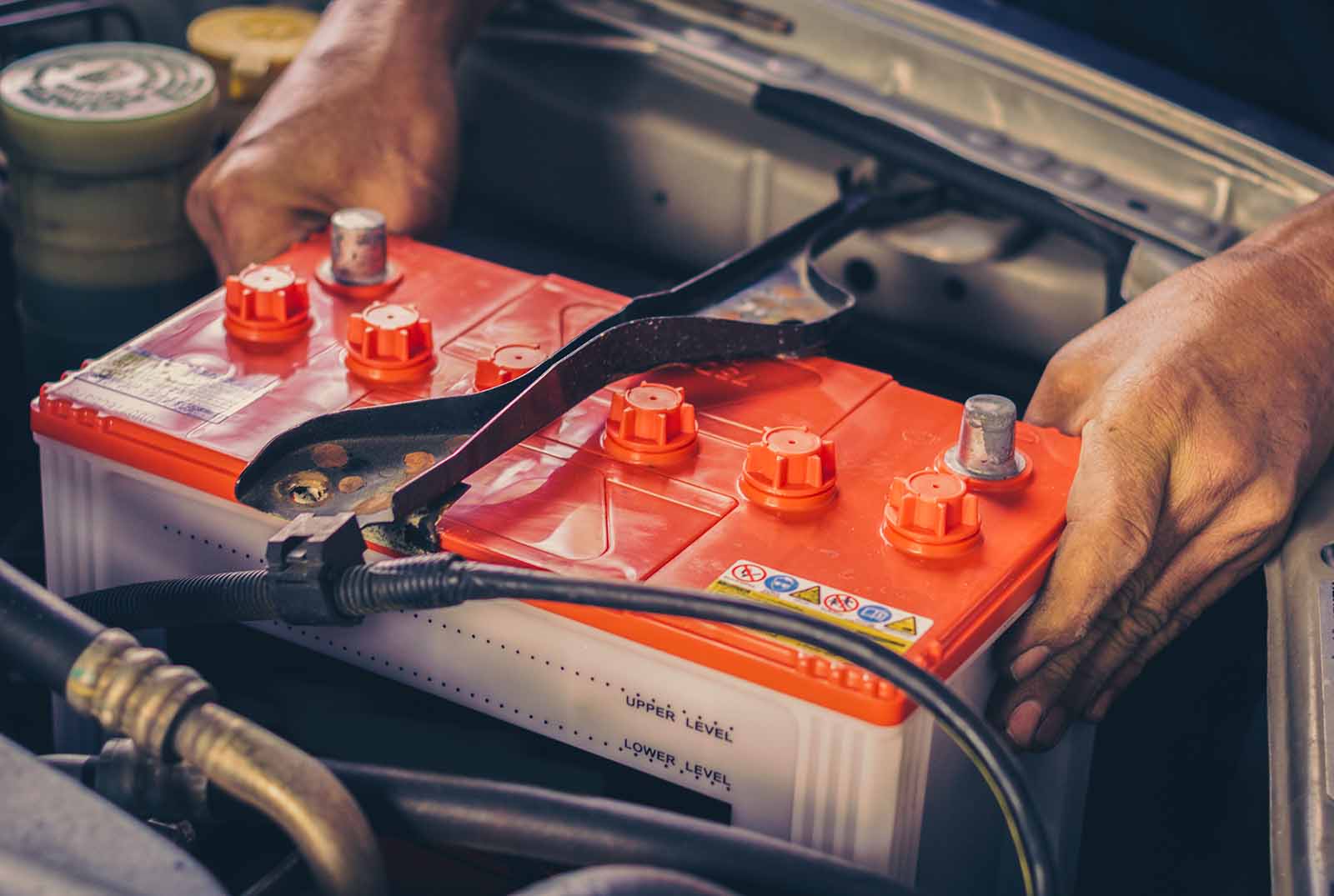
- Inspect the Battery Connections: Open the hood and check for any loose, corroded, or damaged connections on the battery terminals. Clean the terminals with a wire brush if necessary.
- Test the Battery Voltage: If you have a multimeter, measure the battery voltage. A healthy battery should read between 12.4 and 12.7 volts when the engine is off. If the voltage is significantly lower, the battery may need to be charged or replaced.
Signs of a Weak Battery
- Dim lights when attempting to start the car.
- Clicking sound when you turn the key or press the start button.
Step 3: Consider the Starter Motor
If your battery is in good condition, the starter motor might be the problem. The starter motor is responsible for cranking the engine, and if it’s faulty, your car won’t start.
How to Spot Starter Issues:
- You hear a single click or no sound at all when you try to start the car.
- The dashboard lights stay on, but the engine remains silent.
What You Can Do:
- Tap the Starter Motor: Sometimes, a gentle tap on the starter with a wrench or hammer can temporarily help it engage. However, this is a short-term fix.
- Call a Mechanic: If the starter motor is faulty, it will need to be repaired or replaced by a professional.
Step 4: Inspect the Ignition System
A problem with the ignition system can also prevent your car from starting. Here are some areas to check:
- Key or Key Fob Issues: If you use a key fob, ensure its battery isn’t dead. A weak fob battery might prevent the car from recognizing the key.
- Ignition Switch: A worn-out ignition switch can cause starting problems. If you notice flickering dashboard lights or unusual behavior when turning the key, the switch might need attention.
Step 5: Test the Fuel System
If the battery and starter are fine, your car’s fuel system might be the issue. Without fuel reaching the engine, it won’t start.
Signs of Fuel System Problems:
- You hear the engine cranking but it doesn’t start.
- A strong smell of gas around the car.
Troubleshooting Tips:
- Listen for the Fuel Pump: When you turn the key to the “ON” position, listen for a faint humming noise from the fuel pump. If you don’t hear it, the pump may not be working.
- Check the Fuel Level: Make sure your car has enough gas. Sometimes, faulty fuel gauges can give incorrect readings.
Step 6: Examine the Alternator
The alternator is responsible for charging the battery while the car is running. If it’s failing, your battery might not have enough power to start the car.
Symptoms of a Bad Alternator:
- Warning lights on the dashboard, such as the battery or check engine light.
- Electrical issues like dimming headlights or flickering interior lights.
If you suspect the alternator, it’s best to consult a mechanic for further testing and replacement.
Step 7: Check for Security System Malfunctions
Modern cars often come with advanced security systems. If the system malfunctions or doesn’t recognize your key, it can prevent the car from starting.
What to Do:
- Reset the System: Refer to your owner’s manual for instructions on how to reset the security system.
- Try a Spare Key: If you have a spare key, use it to see if the issue is related to your primary key.
Step 8: Look for Other Common Issues
If none of the above steps resolve the problem, consider these possibilities:
- Clogged Air Filter: A dirty air filter can restrict airflow to the engine, making it hard to start.
- Blown Fuses: Inspect the fuse box for any blown fuses related to the starting system or ignition.
Step 9: Seek Professional Help
If you’ve tried all the steps above and your car still won’t start, it’s time to call a professional mechanic. They have the tools and expertise to diagnose and fix more complex issues that may be beyond a quick DIY solution.
Preventing Future Issues
To avoid similar situations in the future, here are some maintenance tips:
- Regularly check your battery’s health and replace it as needed.
- Keep your starter motor and alternator in good condition through routine inspections.
- Replace your key fob battery when it shows signs of weakening.
- Follow your car’s maintenance schedule as outlined in the owner’s manual.
Final Thoughts
When your car won’t start but all the lights come on, it’s a sign that something beyond a completely dead battery is at play.
By following these troubleshooting steps, you can often pinpoint the issue and get back on the road without too much hassle.
Regular maintenance is key to preventing such problems and ensuring a smooth driving experience.