Just as the proverbial canary in the coal mine signals danger, the smell of gasoline around your parked car is a serious warning. You’ve got to manage this situation carefully, starting by making sure no sources of ignition are nearby.
Don’t start the car or light a cigarette; instead, push the vehicle away from any buildings if it’s safe. You’ll also want to soak up any pooled gasoline with sand or kitty litter.
But what do you do next? How do you guarantee your safety when your car leaking gas when parked and those around you while dealing with potential environmental hazards? Let’s explore some critical steps to handle this tricky situation effectively.
Recognize the Dangers
A gas leak threatens fire hazards, igniting with a mere spark, and jeopardizes your health and that of those around you. Exposure to gas fumes can cause headaches, nausea, and respiratory issues, pulling you away from daily activities and community involvement.
Additionally, these leaks contribute to environmental pollution, harming our shared natural spaces and water sources. To protect yourself and your community, it’s essential to be aware of these risks and prioritize safety by avoiding using a vehicle with a suspected gas leak.
Detect Signs of Leakage
To detect a gas leak in your parked car, first look for any puddles of gasoline underneath the vehicle. This is a clear sign that there’s a problem.
Next, take a moment to smell around your car for a strong gasoline odor; it’s a telltale indication of a fuel leak.
You’re not alone if you’ve noticed your fuel gauge dropping faster than usual—a sudden decrease in fuel efficiency can also suggest a leak.
Avoid Igniting Fumes
Getting rid of open flame sources near your car with a gas leak is important to prevent igniting highly flammable fumes. Remember, you’re not alone in wanting to keep everyone safe. Gas fumes can ignite from the smallest spark, turning a manageable situation into a dangerous fire.
That’s why it’s essential to make sure that common ignition sources like cigarettes, lighters, or any open flames are kept well away from the area. By doing so, you’re playing an important part in protecting not just yourself but your community too.
Maintaining a safe distance from the source of a gas leak is vital to prevent igniting dangerous fumes.
Secure the Area
To secure the area, first park your car in a well-ventilated location away from any sources of ignition. This important step is vital in handling gas leaks effectively. Keep bystanders and pets away, ensuring everyone’s safety.
Next, use absorbent materials like kitty litter or sand to manage any spilled fuel. This helps contain fuel vapors, reducing the risk of ignition. While these are great preventive measures, don’t forget to call a professional mechanic.
They’re essential in evaluating and repairing your vehicle to prevent future leaks. You’re taking responsible steps not just for you, but for everyone’s safety.
Prevent Electrical Activation
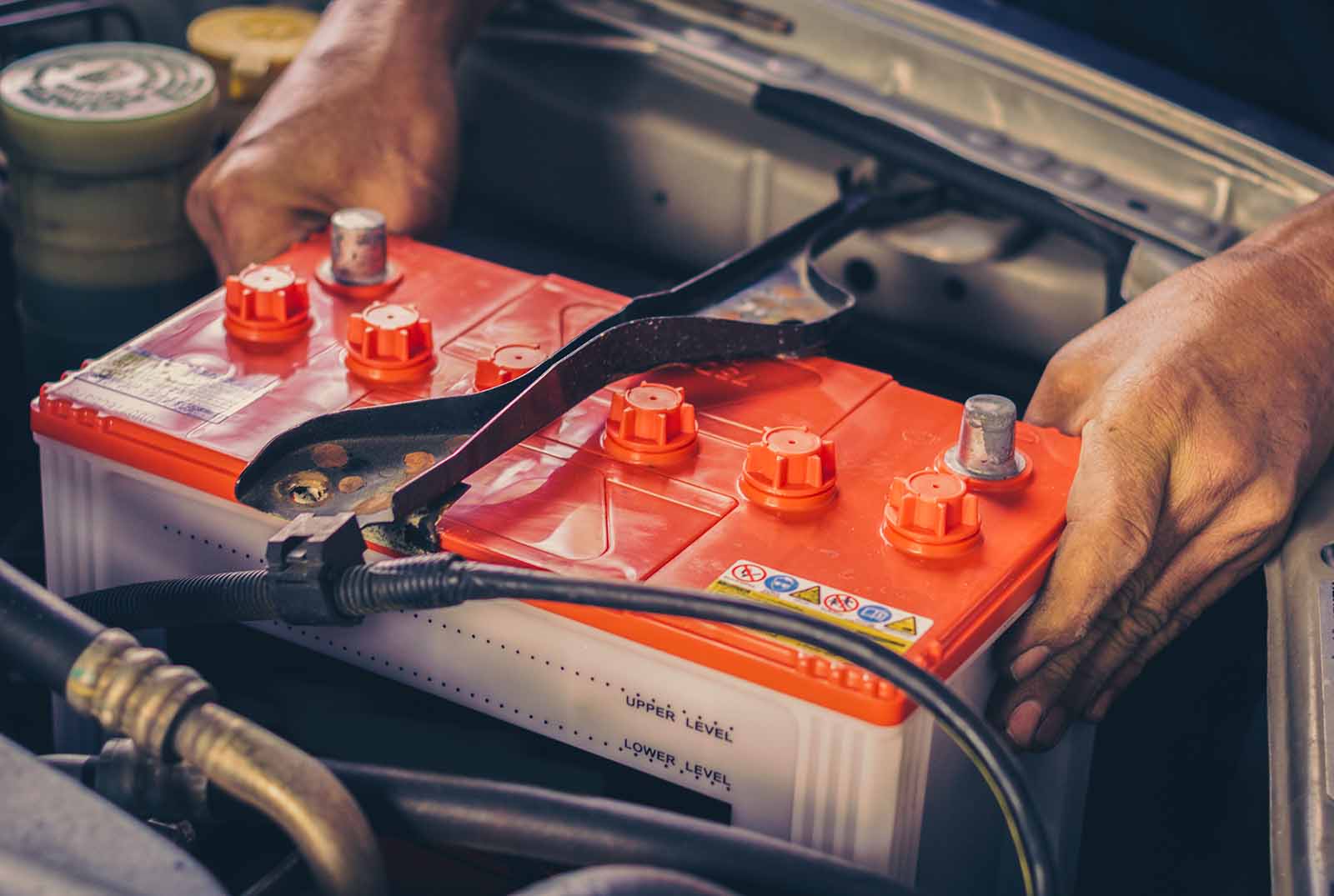
Disconnect your car battery immediately to prevent any electrical sparks that could ignite gas fumes. When dealing with a gas leak from your car, the risk of a fire is real and immediate action is needed to guarantee everyone’s safety.
Here are some vital steps to take:
- Avoid Electronic Devices: Don’t use any electronic devices or switches inside the car. This minimizes the risk of igniting the gas fumes near the fuel line or engine compartment.
- Keep Keys Out: Always keep the keys away from the ignition. This simple step helps prevent any accidental electrical activation.
- Turn Off Accessories: Ensure all interior lights, headlights, and other accessories are off to eliminate potential sources of sparks near the tank or fuel line.
Monitor the Situation
Regularly check beneath your parked car for any visible signs of a gas leak, such as puddles or wet spots. Catching a leak early is crucial to prevent potential hazards while driving down the road.
Here’s what else you should do:
- Monitor Daily: Check the size and spread of any puddles. This can indicate whether the leak from your gas tank is worsening.
- Sniff Around: Note any strong gas odors suggesting a significant leak. This requires immediate action to guarantee your safety.
- Ventilate: If you must drive the car, ensure the area is well-ventilated and that there’s no strong odor inside. This will reduce the risk of ignition from leaks.
Schedule Regular Maintenance
After monitoring your vehicle for leaks, it’s essential to make sure that scheduled maintenance isn’t overlooked. You’re part of a community of responsible car owners who understand that staying on top of maintenance is key.
Regular checks of your fuel lines, gas tank, and other fuel delivery system components can prevent the mechanical impacts that cause wear and tear. By scheduling regular maintenance, you’re proactively identifying issues like corrosion or loose connections that could lead to gas tank leaks.
Conclusion
As you tackle a troubling gas leak, promptly pinpoint potential problems and protect your perimeter. Remember, recognizing risks and reacting responsibly is crucial.
Secure the scene safely, steer clear of sparks, and summon skilled specialists swiftly. Keep keen watch and don’t dally in addressing this dangerous dilemma.
Regularly reviewing and maintaining your motor vehicle minimizes mishaps, ensuring a safer journey. Stay savvy and secure; your vigilance is essential!