Your car is like a living thing. It needs care to stay healthy, and oil is one of the most important parts of that care.
When your oil warning light comes on, it’s a big deal. It’s not something you can just ignore and hope it goes away. The oil keeps your engine running smoothly, cools it down, and protects its parts.
Ignoring an oil warning light can cause major engine problems — and sometimes, the damage is so bad that it can destroy your engine completely.
Let’s dive deeper into what really happens when you don’t change your oil and that little red light starts blinking.
Why Is Oil So Important for Your Car?
Think of oil as your car’s personal bodyguard. It fights against heat, friction, and dirt that could hurt the engine. Here’s how:
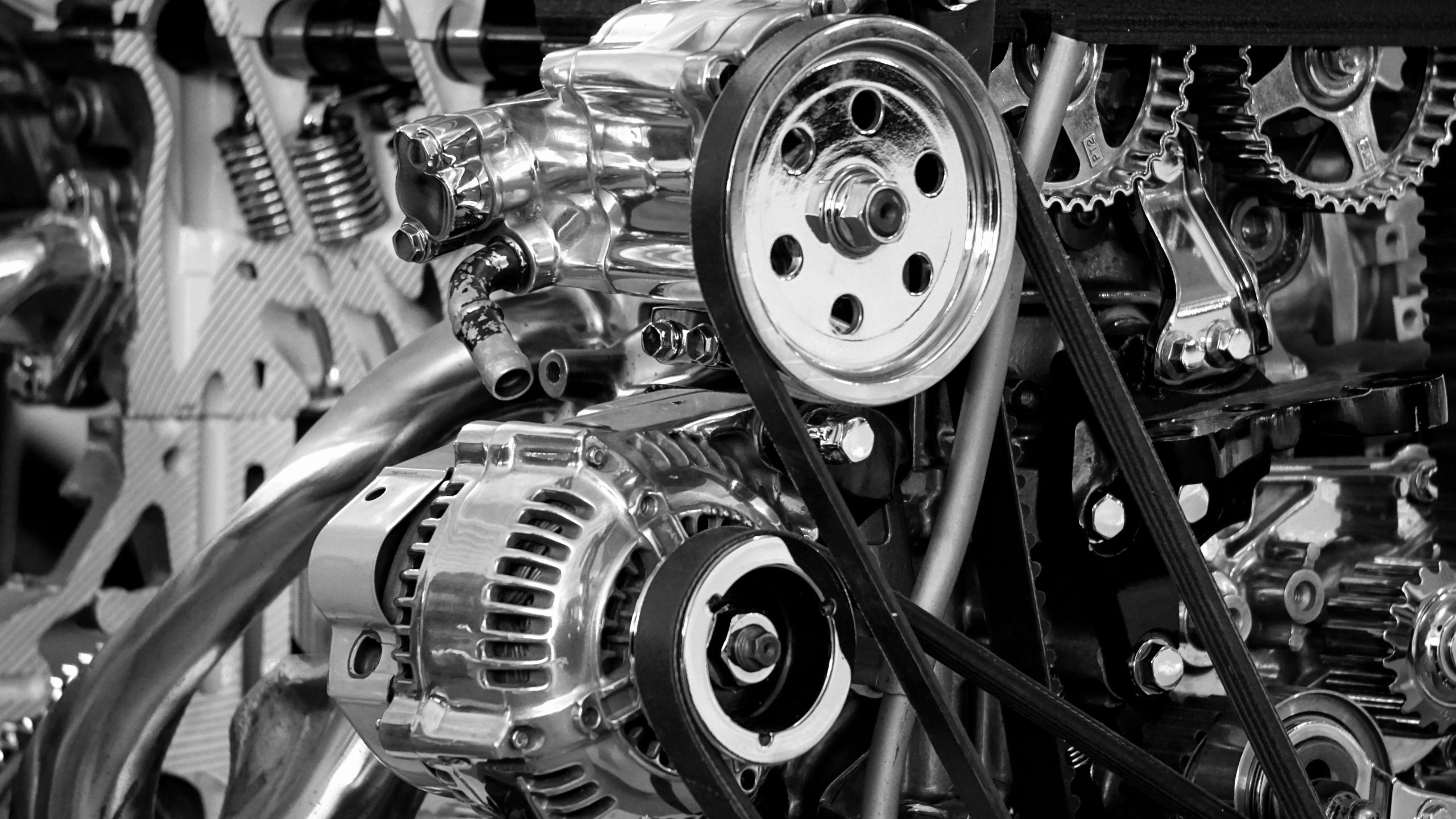
- Lubrication: Inside your engine are many moving parts — pistons, valves, camshafts, and more. Oil creates a slippery layer between them so they move smoothly without grinding against each other. Without oil, these metal parts would scrape together, causing major damage.
- Cooling: Your engine produces a lot of heat while running. Oil helps pull some of that heat away, preventing the engine from overheating. Without enough oil, the temperature can skyrocket.
- Cleaning: As your engine runs, tiny bits of dirt, metal, and sludge start to build up. Oil captures these impurities and carries them to the oil filter, keeping the engine cleaner and running better.
- Protection Against Wear: Oil also coats engine parts with a thin film that protects against corrosion and wear. Over time, though, oil breaks down and loses its strength, which is why regular oil changes are so important.
When the oil gets old, dirty, or too low, your engine loses all these protections — and that’s when the real problems start.
What the Oil Warning Light Means
The oil warning light on your dashboard isn’t something you should ever ignore. It usually means one of two major problems:
- Low Oil Level: This means there simply isn’t enough oil inside the engine to do its job properly. Maybe you have a leak, or maybe the oil burned away over time. Either way, the engine is running dry.
- Low Oil Pressure: Even if there’s enough oil, it may not be moving through the engine properly. Oil needs to circulate under pressure to reach all the moving parts. Without enough pressure, some parts won’t get oil at all, leading to fast damage.
When the oil light flashes or stays on, it’s basically a big red flag saying, “Stop now and fix me before it’s too late!”
What Happens If You Ignore the Oil Warning Light?
Many people make the mistake of thinking, “I’ll just wait a few days and fix it later.” That’s a dangerous idea. Ignoring the oil light can cause several major problems, including:
1. Increased Friction
With little or no oil, there’s no protective layer between the engine’s moving parts. Metal grinds against metal. This friction creates even more heat and stress inside the engine. Imagine running without socks — painful blisters happen fast! In your engine, this “bare metal” contact can cause parts to wear down quickly or even break apart.
2. Overheating
Oil isn’t just for lubrication — it also helps cool your engine by carrying heat away. Without enough oil, your engine temperature can soar. Overheating can cause serious problems like:
- Warped cylinder heads.
- Cracked engine blocks.
- Melted gaskets.
Once overheating begins, even short drives can do heavy, costly damage.
3. Engine Wear and Tear
When oil is old or dirty, it can’t trap dirt and sludge anymore. That nasty stuff stays in the engine and causes even more wear. Plus, without good oil, the engine’s parts rub harder against each other, wearing them down faster than normal.
Eventually, important parts like your camshaft or crankshaft could become so worn that they stop working completely.
4. Complete Engine Failure
The worst-case scenario is total engine failure. If the engine runs without enough oil for too long, it can seize up completely. That means all the moving parts lock together and the engine stops running.
Once an engine seizes, repairs are often so expensive that it’s cheaper to replace the entire engine — or even buy a new car!
A $40 oil change can prevent a $5,000 engine replacement. It’s that serious.
Common Warning Signs to Watch For
The oil light is your biggest warning sign, but there are other clues that your engine is in trouble. If you notice any of these, pull over immediately:
- Burning Smell: If you smell something like burning plastic or smoke, it could be oil burning off hot engine parts.
- Engine Noises: Knocking, ticking, or rumbling sounds usually mean the engine parts aren’t getting enough lubrication.
- Smoke from the Exhaust: Blue or white smoke can mean oil is leaking into the combustion chamber — a bad sign.
- Loss of Power: If your car feels weak when you press the gas pedal, the engine might be struggling from lack of oil.
- High Engine Temperature: If your temperature gauge suddenly shoots up, your engine might be overheating due to low oil.
These signs mean you should stop driving and get help immediately — don’t risk making things worse.
What You Should Do When the Oil Light Comes On
Don’t panic — but do act quickly. Here’s what you should do if the oil warning light turns on while you’re driving:
- Pull Over Safely: Find a safe spot off the road and park the car. Turn off the engine as soon as possible.
- Check the Oil Level: Open the hood and use the dipstick to check the oil level. (Make sure the engine has cooled for a few minutes first.)
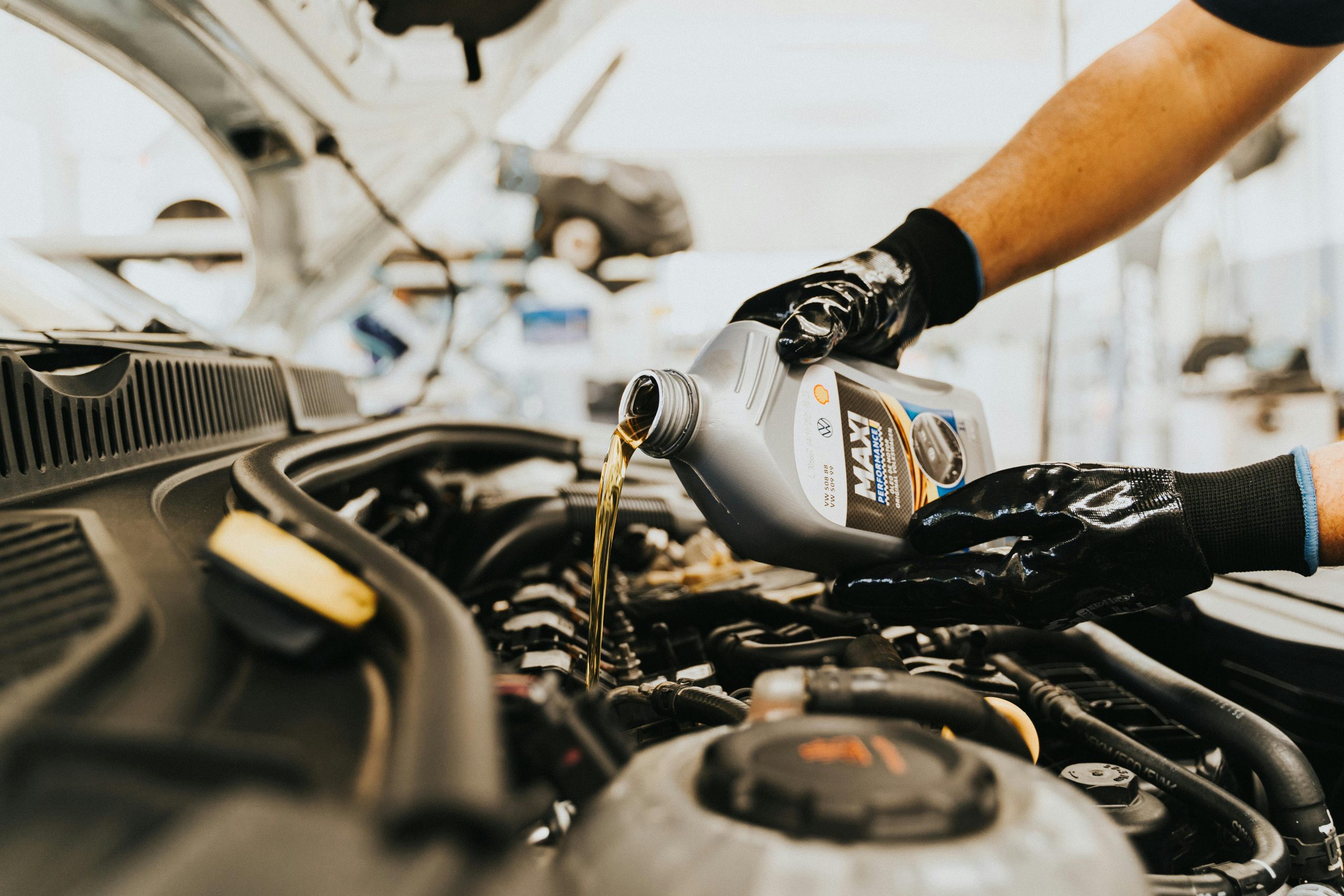
- Add Oil if Needed: If the oil level is low, add the type of oil recommended in your owner’s manual. Don’t overfill — add a little, check again, and repeat if necessary.
- Restart and Check: Start the car and see if the oil light goes off. If it does, drive carefully to a mechanic.
- Call for Help: If the light stays on even after adding oil, or if you hear strange noises, call for a tow truck. Driving could make things worse.
No matter what, don’t keep driving normally with the oil light on. It’s not worth the risk.
How Often Should You Change Your Oil?
Sticking to a regular oil change schedule is the best way to avoid oil problems. The right timing depends on your car and the type of oil it uses:
- Every 3,000 to 5,000 miles if you use conventional oil or drive an older car.
- Every 7,500 to 10,000 miles if you use synthetic oil or drive a newer car.
Always check your car’s owner’s manual to see what the manufacturer recommends.
And if you drive in tough conditions — like lots of short trips, heavy traffic, or extreme temperatures — you might need oil changes more often.
Final Thought
An oil warning light is not something you can ignore or delay. It’s a serious alert that your engine needs attention right now.
Driving without enough oil leads to overheating, friction damage, expensive repairs, or even total engine failure.
Changing your oil regularly is one of the easiest and cheapest ways to keep your car healthy and strong.
So the next time that oil light comes on, don’t gamble with your car’s life — take care of it right away!