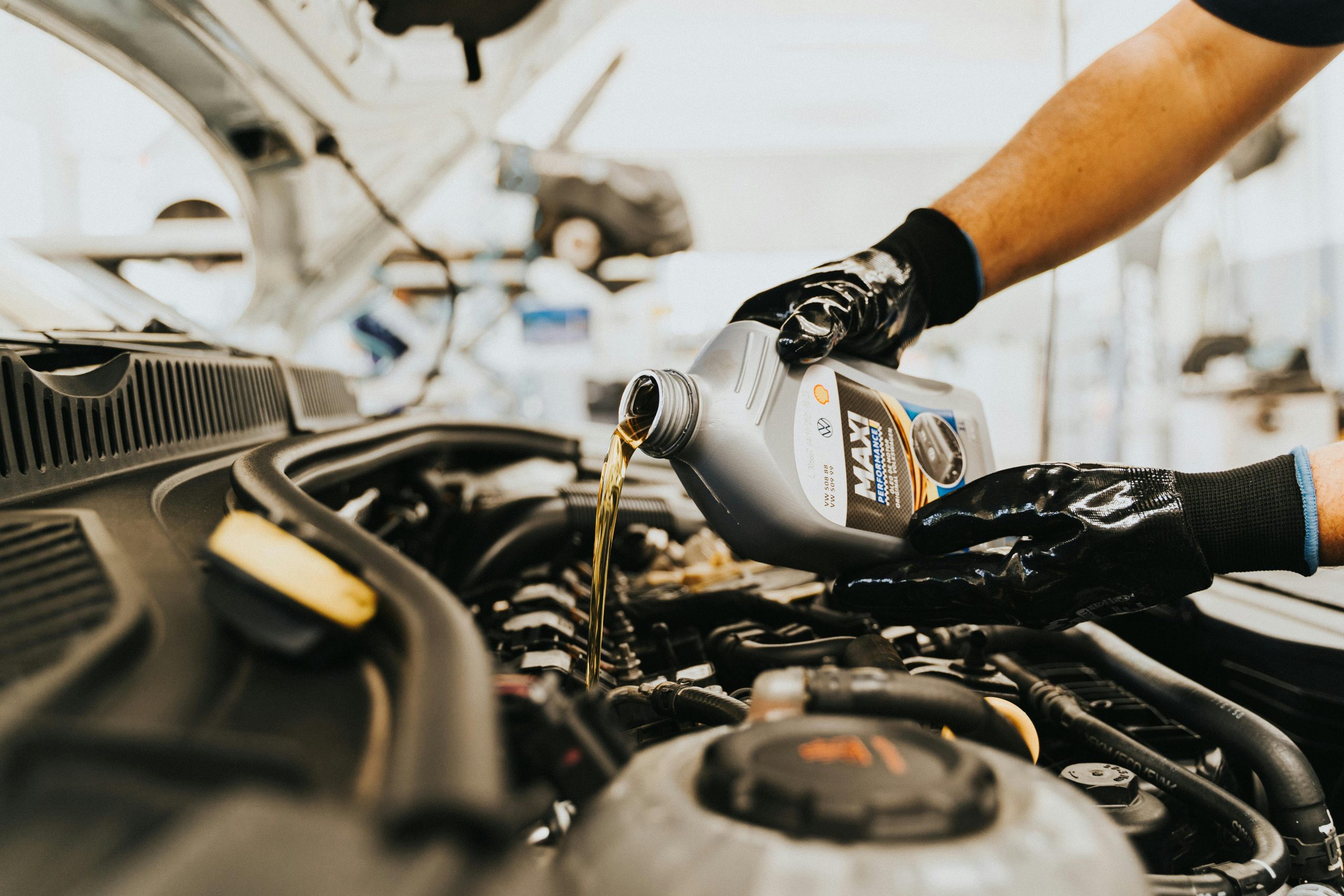
When you notice your car leaking pink fluid, acting swiftly to avoid potential damage is important. Typically, this fluid could be either transmission fluid or coolant, both essential for your car’s performance. You’ll want to start by checking the fluid levels; low levels might indicate where the leak originates.
Don’t ignore the smell and consistency—these clues are key in pinpointing the exact fluid type.
Once you’ve identified the fluid, your next step is to inspect for leaks in the usual suspects, like hoses and seals. But what happens if the leak is from a less obvious source? This is where things get interesting.
Identify the Pink Fluid
When you observe a pink fluid leaking from your car, it’s important to determine whether it’s coolant, transmission fluid, or power steering fluid. Identifying the fluid correctly is the first step in preventing further damage.
Each type has distinct characteristics: transmission fluid leaks have a reddish hue and slick texture; coolant leaks are pinkish with a sweet smell; and power steering fluid is often light red or pink.
Recognizing these features aids in accurate leak diagnosis. Knowing you’re not alone is vital to feeling supported in this process.
Check Fluid Levels
You’ll need to check the fluid levels in your car’s transmission, coolant reservoir, and power steering system to pinpoint the source of the pink leak.
Before you pop the hood, ensure your car is on a level surface and your engine is cool. Locate each reservoir and check the markings on the dipsticks or fill lines. If you notice any reservoir considerably lower than it should be, that’s likely where your issue lies.
While you’re there, look over the areas for any visible damage to hoses or seals that might contribute to the leak. If the levels are fine, but you’re still concerned, don’t hesitate to bring your car to a mechanic for a closer look.
Inspect for Leak Sources
To diagnose the issue accurately, it’s important to identify whether the pink fluid leaking from your car is transmission fluid, coolant, or power steering fluid.
Each fluid type has a unique role in your car’s functioning, and pinpointing the exact one leaking is key to a proper fix.
Here’s how you might begin:
- Transmission Fluid: Check for leaks around gaskets and hoses connected to the transmission system.
- Coolant: Inspect gaskets and hoses within the cooling system, especially around the radiator.
- Power Steering Fluid: Look for dampness around the steering pump and hoses.
- Overall Inspection: Don’t overlook any pooling or drips under your car; these can help identify where the problem lies.
Begin by inspecting the most common areas where leaks occur, such as transmission cooler lines, coolant reservoirs, and power steering systems. Check the transmission cooler lines, gaskets, and seals for any signs of leaking pink fluid. This could indicate a transmission issue.
Next, examine your coolant reservoir, radiator, and hoses for damages that might be causing coolant to leak. Don’t forget to look over the power steering system, including hoses, pumps, and reservoirs, for leaks.
Assess Potential Damage
Identifying the source of the pink fluid leak is vital to assess potential damage to your vehicle. When you notice pink fluid leaking from your car, it’s important to determine whether it’s transmission fluid, coolant, or power steering fluid. Each has different implications for potential damage and necessary repairs:
- Transmission Fluid: Leaks can lead to severe engine issues, affecting your car’s performance.
- Coolant: This leak can cause your engine to overheat, risking significant engine damage.
- Power Steering Fluid: If it leaks, it could lead to steering problems, which are not only inconvenient but also pose safety hazards.
- Assessing the Fluid: Proper identification helps prevent further damage and ensures you can take timely, appropriate action.
Check Engine Performance
Check your engine’s performance for any unusual noises or vibrations that might suggest damage from the pink fluid leak. If you’re having difficulty steering or notice any dashboard warning lights, it’s important to address these signs immediately.
These symptoms can indicate serious issues like coolant leaks which may lead to overheating. Remember, you’re not alone in this many car owners experience similar challenges.
Additionally, keep an eye out for any visible leaks under your vehicle. The color and consistency of the pink fluid are key to identifying the source and understanding the extent of the problem.
Inspect Undercarriage Condition
To assess potential damage, inspect the undercarriage for any signs of pink fluid leaks. Identifying where the fluid is pooling can give you a good idea of what’s happening.
Here’s what you should check:
- Power Steering Reservoir: Verify if the pink fluid near the front of the car is from the power steering system.
- Cooling System: Look for signs of leaking coolant, which might indicate a breach in the system.
- Fluid in Your Coolant: Check the coolant for any pink discoloration to ensure no cross-contamination.
- Red Fluid Leaking: Distinguish if the pink fluid is transmission fluid, suggesting a more severe issue.
Each step will guide you closer to resolving this together.
Consult a Mechanic
Seeking the expertise of a mechanic guarantees an accurate diagnosis of the pink fluid leaking from your car. When you’re a part of the car community, you know how important it’s to keep your vehicle in top shape.
A professional inspection can quickly determine whether the pink fluid is transmission fluid, coolant, or power steering fluid. This distinction is essential for the correct repair. Mechanics have the skills to assess the severity of the leak and recommend the necessary repairs, ensuring your car remains reliable.
Trusting a mechanic with your car reinforces the safety and performance that keep you confidently driving forward.
Follow Up and Prevent Future Leaks
After addressing a pink fluid leak, regularly monitor your car’s fluid levels to catch any early signs of recurrence.
Here’s how to stay on top of any fluid leaking from your car and make sure it remains in peak condition:
- Check the Fluid Levels Weekly: Make it a routine to check the fluid levels, including engine oil and transmission fluid. This helps spot any discrepancies early.
- Inspect for Visible Leaks: Regularly examine areas like the Transmission Pan for any signs of leakage.
- Adhere to Regular Maintenance: Follow your car manufacturer’s guidelines to prevent future leaks.
- Seek Professional Help: If you notice recurring issues or are unsure, it’s always best to seek professional help.
Conclusion
In the end, just like Sherlock needed his magnifying glass to solve mysteries, you need to keep a watchful eye on your car’s health.
If you spot pink fluid, act fast—check, assess, and consult. Remember, catching a leak early can save you a saga of mechanical woes.
So, keep up with regular checks and let a trusted mechanic be your Watson. Together, you’ll keep your car’s story from taking an unexpected turn.